
Blog
Your blog category

test final
Choose the modules you need. Each is designed for specific industrial workflows with seamless integration. All modules work together as one unified platform, eliminating data silos and enabling real-time field-to-office communication.
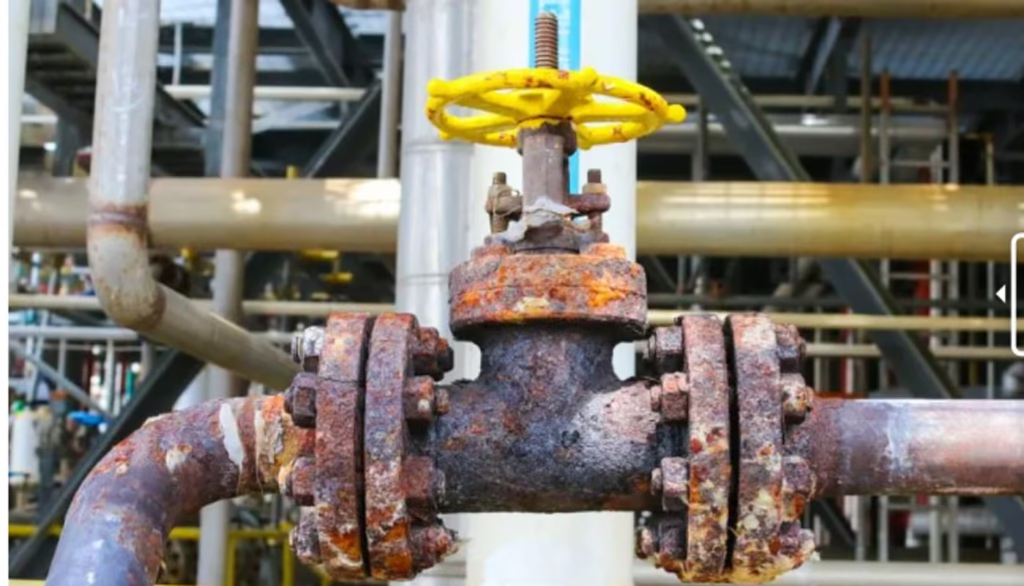
AI in Inspections: Transforming Safety, Efficiency, and Reliability
AI in Inspections: Transforming Safety, Efficiency, and Reliability Multimodal AI combining text, images, and sensor data for a holistic view. Inspections have always been at the heart of keeping industries safe—whether it’s oil and gas pipelines, power plants, manufacturing facilities, or even bridges and airplanes. Traditionally, inspections have been manual, labor-intensive, and prone to human error. Today, Artificial Intelligence (AI) is changing that story. Why AI Matters in Inspections Unplanned equipment downtime is one of the costliest pitfalls in heavy industry—averaging between $125K to $260K per hour, depending on sector and scale. NinjaOne+8Institute for Supply Management+8Output Industries+8. Traditional inspection methods—paper forms, siloed data, human error—aren’t cutting it. This white paper explores how IntelliSpec’s AI-driven mobile inspection tools can transform inspection workflows to improve uptime, compliance, and asset integrity. Industry Context & Challenges AI doesn’t replace inspectors—it empowers them. Inspections generate huge amounts of visual data (photos, videos, thermal scans, ultrasonic readings), and going through all of it manually is slow and inconsistent. AI helps by: Automating defect detection: Cracks, corrosion, leaks, or coating damage can be spotted faster with computer vision models. Standardizing results: Unlike humans, AI doesn’t get tired or miss small anomalies. It applies the same level of scrutiny every time. Saving time and costs: Faster inspections mean less downtime for equipment and reduced operational losses. Predicting failures: With enough data, AI can forecast when and where issues might occur, enabling preventive maintenance instead of reactive fixes. Real-World Applications Oil & Gas – AI models can detect corrosion under insulation (CUI) or weld cracks in pipelines, reducing risk of leaks and accidents. Aerospace – Automated image analysis ensures early detection of structural fatigue in aircraft components. Manufacturing – Vision systems on assembly lines identify defective parts before they move further downstream. Infrastructure – AI-powered drones scan bridges, towers, and buildings to spot cracks or stress points that aren’t visible to the naked eye. Human + AI: A Better Partnership It’s important to remember that AI doesn’t operate in isolation. The best inspection systems are human-in-the-loop. Inspectors validate AI findings, provide context, and make judgment calls. This partnership improves accuracy, builds trust, and helps organizations meet compliance standards. The Road Ahead The future of AI in inspections looks promising: Multimodal AI combining text, images, and sensor data for a holistic view. Edge AI running models directly on drones or handheld devices for real-time results. Generative AI creating instant inspection reports, summaries, and even suggested repair actions. Unplanned equipment downtime is one of the costliest pitfalls in heavy industry—averaging between $125K to $260K per hour, depending on sector and scale. NinjaOne+8Institute for Supply Management+8Output Industries+8. Traditional inspection methods—paper forms, siloed data, human error—aren’t cutting it. This white paper explores how IntelliSpec’s AI-driven mobile inspection tools can transform inspection workflows to improve uptime, compliance, and asset integrity. More Insights & Articles Explore our latest insights, technical articles, and industry trends to stay ahead of the curve. View All Blog Posts
AI in Inspections: Transforming Safety, Efficiency, and Reliability Read More »
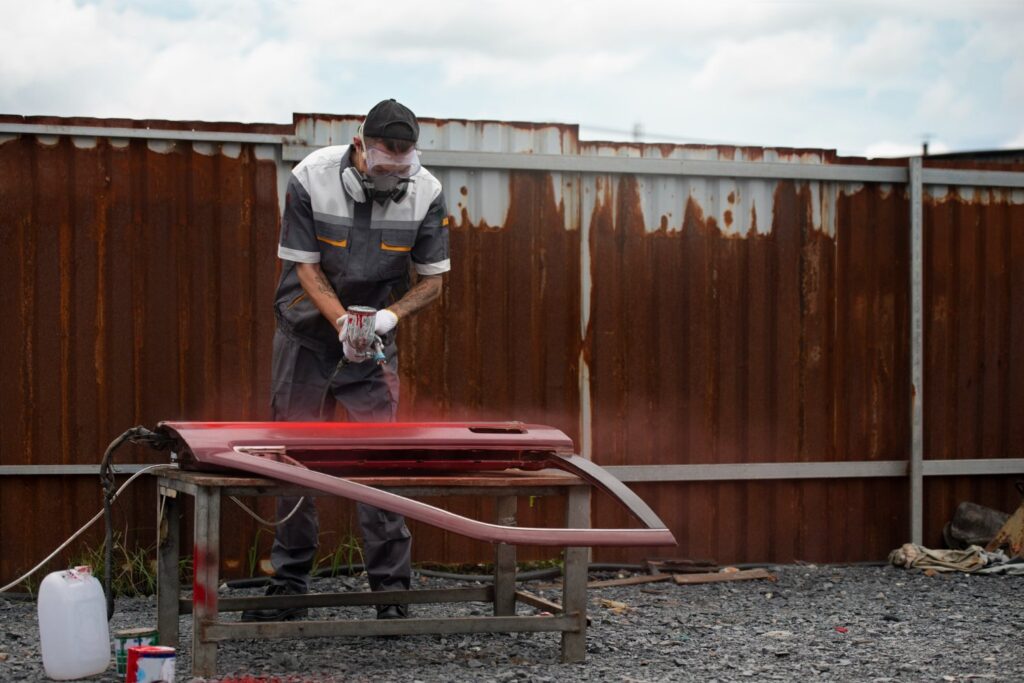
Why Coating Rework Is So Expensive And How Smart Field Tools Can Stop It Cold
Why Coating Rework Is So Expensive And How Smart Field Tools Can Stop It Cold Industrial coatings are the frontline of asset protection — yet coating rework remains one of the most persistent (and expensive) hidden costs in field operations. The culprit? Poor visibility, disconnected QA workflows, and missing documentation. A 2023 report by NACE International showed that coating failures account for up to 20% of total maintenance costs in heavy industry. And the average rework job? It’s not just time-consuming — it can cost 2–4x the original coating application, especially when it involves re-blasting or downtime on critical assets. The Real Problem Isn’t Paint — It’s Process At Gulf Integrity Services (GIS), a contractor managing coating scopes for a major petrochemical facility in Louisiana, this problem came to a head during a recent outage. Inspectors were documenting DFTs (Dry Film Thickness) on paper logs, contractors were rotating across shifts, and the superintendent had no real-time view into failures, touch-ups, or compliance. “We had guys measuring with micrometers, taking photos with their phones, and logging results in notebooks,” said Imran K., the coatings superintendent. “There was no centralized view of what passed, what failed, and what needed to be redone.” Enter IntelliSpec’s Coating Intelligence Suite GIS implemented intelliSPEC’s Fireproofing & Coating AI module and deployed mobile QA forms across all field crews — rugged tablets included. Every inspector could now:• Record DFT readings with AI-guided checklists• Auto-capture and tag pre/post photos to specific asset zones• Sync offline data to a central dashboard the moment connectivity resumed Supervisors could immediately view real-time pass/fail trends, flagged zones, and crew-specific performance — all without waiting for end-of-shift paper reports. What Changed? Within six weeks:• Rework dropped 45%, mainly from faster issue detection• QA cycle time went down by 30%• The team achieved 100% mobile form adoption, including third-party contractors• Leadership had complete traceability for every inspection, coating pass, and failure These results align with broader trends — according to IIoT World, 82% of manufacturing firms report unexpected downtime due to poor inspection tracking, and AI-enabled workflows are projected to reduce defect rates by 25–50% across field teams by 2026. What You Can Do Now If your team is still using clipboards, disconnected photo galleries, or Excel to manage coating QA, it’s time to rethink the process. Ask yourself:• Can I see coating failures in real time?• Are we spending more on rework than on prevention?• Do I trust our DFT records during audits? “Once we digitized the field, we didn’t just reduce rework. We built trust across crews,” said Imran. Final Takeaway Coating isn’t just about what goes on the surface — it’s about the integrity of the entire workflow. With intelliSPEC, industrial field teams are cutting costs, preventing rework, and proving compliance from day one. 🔵 Ready to reduce coating rework and digitize your QA workflows? More Success Stories Explore other case studies from various industries showcasing the transformative power of intelliSPEC. View All Case Studies
Why Coating Rework Is So Expensive And How Smart Field Tools Can Stop It Cold Read More »